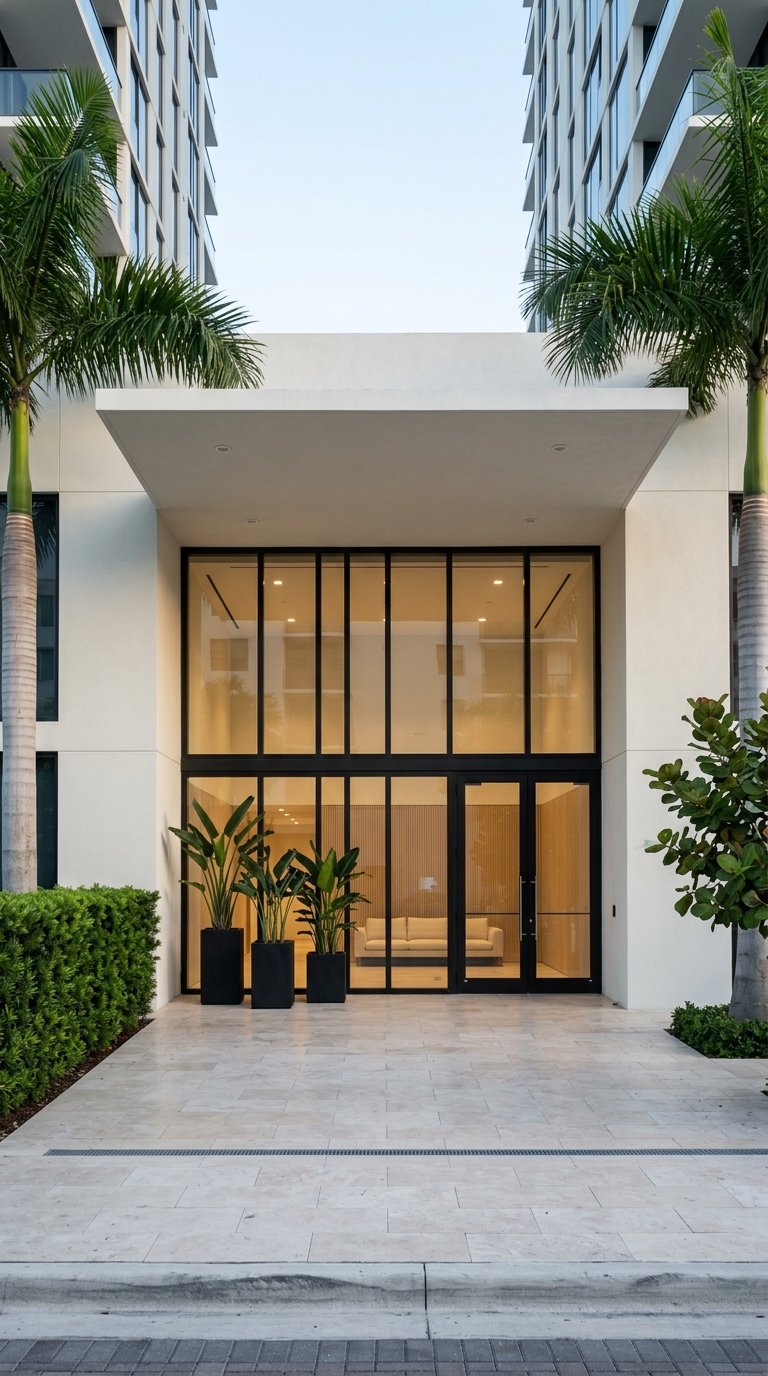
Thinking about trading Manhattan’s vertical luxury for Miami’s version of city living? If you want a neighborhood in South Florida that still feels urban, walkable, and polished, Brickell is usually the first place to compare. For many New York buyers, the real question is not whether Brickell is “like” Manhattan, but how it differs in housing, pricing, daily rhythm, and lifestyle. Let’s dive in.
Why Brickell Feels Familiar
If you are moving from Manhattan and want to keep an urban routine, Brickell is the Miami neighborhood most likely to feel recognizable. It is built around high-rise living, restaurants, retail, office towers, and easy access to the waterfront.
That said, Brickell is not a copy of Manhattan. Its city feel is newer, more concentrated, and far more condo-driven, while Manhattan is older, denser, and shaped by a wider range of building types and ownership structures.
Housing Stock Looks Different
Brickell Is a Condo-Led Tower Market
Brickell’s housing profile is overwhelmingly vertical. According to the Miami Downtown Development Authority, Brickell holds 48.3% of Greater Downtown condo inventory, with 19,021 existing condo units, 3,838 under construction, and 1,304 proposed.
That scale matters if you are comparing options. Brickell is not a fixed neighborhood with limited product types. It is a district still growing upward, with a strong pipeline of luxury-focused development and a market that centers on towers, amenities, views, and newer construction.
Manhattan Has More Variety
Manhattan is much less uniform. NYU Furman Center reports a 2024 population density of 73.3 thousand persons per square mile, and the borough’s housing market still splits between co-ops and condos.
In Q4 2025, Manhattan’s median co-op sales price was $825,000, while the median condo sales price was $1.661 million. That split tells you something important: in Manhattan, your decision often starts with ownership structure and building type, not just location and finishes.
What Buyers Usually Notice First
In practical terms, Brickell often feels like a newer luxury tower district. Manhattan feels more layered, with sharper differences from block to block and building to building.
If you are used to evaluating prewar buildings, co-op boards, and varied ownership rules, Brickell can feel more streamlined. If you value consistency in amenities and newer construction, that difference may work in your favor.
Price Points Mean Different Things
Brickell Luxury Starts Lower
Brickell is expensive by Miami standards, but its overall pricing still sits well below Manhattan’s upper tier. The Miami DDA reports Brickell’s average price at $939,000 as of Q2 2025, with year-end 2024 average sale prices nearing $1 million.
That means many buyers coming from Manhattan see Brickell as a way to stay in a luxury urban environment without entering the same price bands they may be used to in New York. You are still shopping in a premium market, just at a different entry point.
Manhattan Has a Higher Ceiling
Manhattan’s marketwide average sales price reached $1.724 million in Q4 2025, according to Douglas Elliman. Its median sales price was $998,500, and its luxury median sales price was $6.038 million.
At the top end, the gap widens even more. The same report shows Manhattan luxury average sales prices near $8.9 million and luxury average price per square foot at $2,950.
What “Luxury” Really Means in Each Market
In Brickell, luxury often means sleek condo living, strong amenities, polished common areas, and water or skyline views. In Manhattan, luxury can mean all of that too, but it also includes a much broader spread of pricing, product, and building culture.
For many relocators, Brickell offers a lower-entry version of urban luxury. Manhattan offers more extreme price dispersion and a much higher top-end ceiling.
Daily Life and Transit Are Not the Same
Brickell Is Compact and Convenient
One of Brickell’s biggest strengths is how much you can do without going far. Miami-Dade says the free Metromover operates seven days a week through downtown Miami, Omni, and Brickell.
The local visitor guide also notes that Brickell has free trolley routes and the free elevated Metromover loops. The Underline adds a 10-mile pedestrian and cycling amenity beneath the Metrorail line, and Brightline’s MiamiCentral station is within walking distance of downtown destinations with shuttle access to the Downtown Miami-Brickell area.
Manhattan Has Broader Transit Reach
New York’s transit rhythm is much larger in scale. The MTA says New York City Transit operates 24 hours a day, 365 days a year, and NYC Ferry connects waterfront communities across multiple boroughs.
For a Manhattan buyer, the biggest adjustment is not whether transit exists in Brickell. It is how concentrated the system feels. Brickell supports a walkable, car-light lifestyle in the urban core, but it does not offer the same citywide transit depth Manhattan buyers are used to.
How That Affects Your Routine
If your priority is a neighborhood where you can walk to dining, offices, fitness, and daily conveniences, Brickell checks that box well. If you want the feeling of endless transit reach and a wider web of connected districts, Manhattan still has the advantage.
This is often where personal lifestyle matters most. Some buyers want a more bounded, efficient district. Others want the sheer range and movement of New York.
Lifestyle Feels Polished in Both Places
Brickell’s Appeal Is Concentrated
Brickell’s lifestyle is intentionally refined and modern. Greater Miami’s official visitor guide describes Brickell as one of the city’s most exciting culinary hubs, with globally inspired dining, waterfront restaurants, and active late-night venues.
The same guide highlights Brickell City Centre as an upscale open-air shopping destination. Downtown Miami’s official guide also points to bayfront parks, arts venues, shopping, nightlife, and public waterfront space around Brickell and Downtown.
Manhattan Offers More Micro-Markets
Manhattan’s lifestyle picture is broader but less centralized. Because of its density, older housing stock, and varied ownership structures, buyers are often comparing not just neighborhoods but very specific building cultures and micro-markets.
That creates a different search process. In Manhattan, you may spend more time weighing co-op versus condo, carrying costs, and building-by-building tradeoffs. In Brickell, buyers are more often comparing tower product, amenities, views, monthly costs, and the pace of new development.
Brickell vs Manhattan at a Glance
Category | Brickell | Manhattan |
|---|---|---|
Housing mix | Mostly condos in high-rise towers | Mix of co-ops, condos, and legacy buildings |
Development profile | Large active pipeline and ongoing vertical growth | More mature stock with selective new supply |
Price profile | Average price was $939,000 in Q2 2025 | Average sales price was $1.724 million in Q4 2025 |
Luxury range | Premium, but generally lower entry point | Much higher luxury ceiling |
Transit feel | Compact, walkable core with free local systems | Broad, always-on network with wider reach |
Lifestyle pattern | Concentrated work-dine-live district | Many distinct luxury micro-markets |
Which Buyer Usually Prefers Brickell
Brickell tends to appeal to buyers who want a polished city lifestyle in a newer setting. If you value modern towers, a strong amenity package, proximity to dining and offices, and a more simplified condo search, Brickell often feels like a natural fit.
It can also make sense if you are relocating from New York and want something urban without stepping back into Manhattan-level pricing. You may still be buying luxury, but in a market where the product is newer and the district is easier to understand quickly.
Which Buyer May Still Prefer Manhattan
Manhattan may remain the better fit if you want deeper neighborhood variety, more transit reach, and access to a market with a much broader luxury spectrum. Some buyers simply prefer the texture of an older, more layered city.
If you enjoy comparing architecture, ownership structures, and highly specific neighborhood identities, Manhattan offers more variation. That complexity can be a benefit if it matches the way you like to live and buy.
The Bottom Line for Urban Luxury Buyers
For many Manhattan buyers, Brickell is the closest South Florida match to a true urban luxury lifestyle. It offers high-rise living, strong dining and retail, waterfront access, and a walkable daily routine in a compact district.
The biggest difference is that Brickell delivers that experience through newer, condo-led development, while Manhattan delivers it through a broader and more complex urban fabric. If you are deciding between the two, the choice usually comes down to whether you want a more compressed, modern luxury lifestyle or a deeper, more varied city experience.
If you are weighing that move, working with someone who understands both markets can make the comparison much more useful. For tailored guidance on Brickell, Miami-area condos, and South Florida luxury opportunities, connect with Jason Blue.
FAQs
How does Brickell compare to Manhattan for luxury condo buyers?
- Brickell offers a newer, condo-driven luxury experience with a lower overall entry point, while Manhattan offers a wider mix of co-ops and condos with a much higher top-end price ceiling.
Is Brickell one of the most urban neighborhoods in Miami for Manhattan relocators?
- Yes. Based on the research, Brickell is the Miami neighborhood most likely to feel familiar to a Manhattan mover because of its high-rise density, walkability, dining, retail, and office concentration.
What is the biggest housing difference between Brickell and Manhattan?
- The biggest difference is product mix. Brickell is heavily centered on condo towers, while Manhattan has a more varied market shaped by both co-ops and condos.
Are Brickell home prices lower than Manhattan home prices?
- In the research provided, yes. Brickell’s average price was reported at $939,000 in Q2 2025, while Manhattan’s average sales price reached $1.724 million in Q4 2025.
Is Brickell walkable for buyers used to New York City living?
- Brickell supports a walkable, car-light lifestyle within its urban core, helped by the free Metromover, free trolley routes, and access to The Underline.
What kind of buyer is usually the best fit for Brickell?
- Brickell often fits buyers who want modern towers, luxury amenities, views, and a polished urban lifestyle in a compact Miami neighborhood.