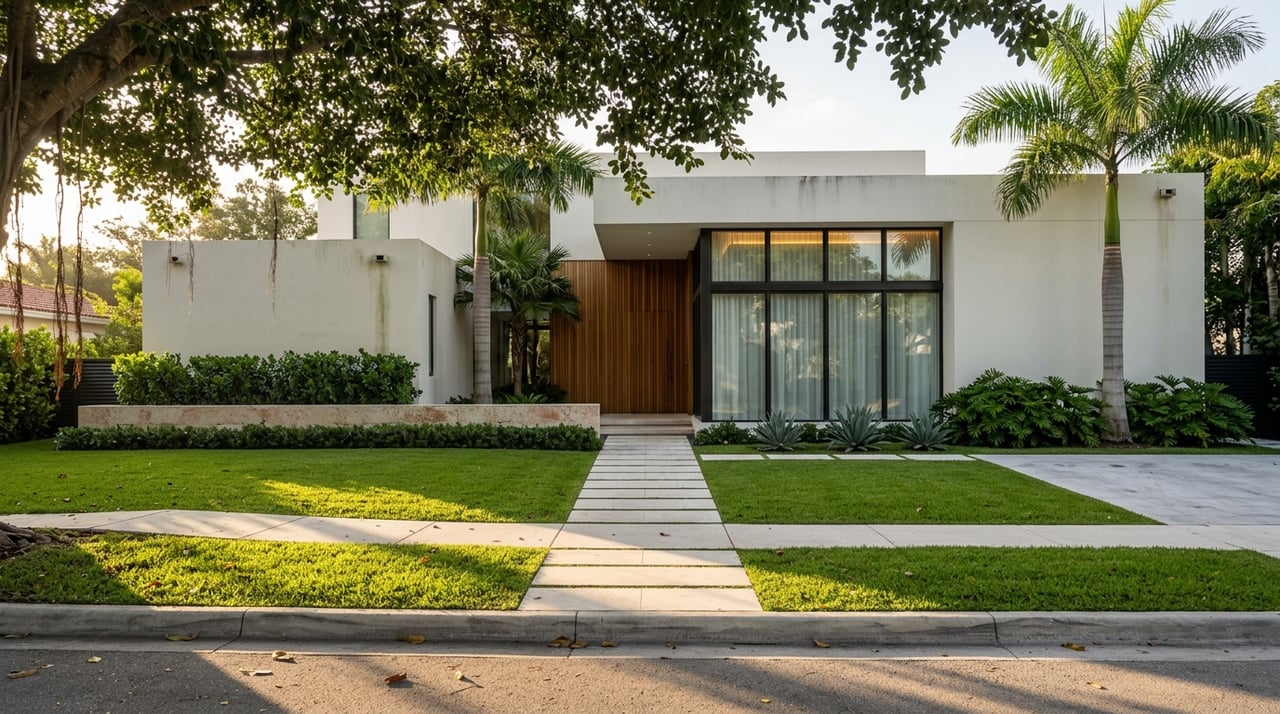
If you want Miami access without the constant high-rise rush, Coconut Grove stands out fast. This waterfront neighborhood offers a calmer rhythm, with shady streets, bayfront parks, and a village feel that can be hard to find in a major city. Whether you are relocating, buying a primary home, or searching for a second residence with character, understanding the Grove’s lifestyle can help you decide if it fits the way you want to live. Let’s dive in.
Why Coconut Grove Feels Different
Coconut Grove is a waterfront neighborhood within the City of Miami, and the city describes it as Miami’s original neighborhood. City and state sources also point to its long history, with roots going back to 1873 and recognition as Miami’s oldest continuously occupied neighborhood.
That history matters because it still shapes the neighborhood today. City planning materials emphasize preservation, greenery, neighborhood scale, walkability, and access to the water. In real life, that translates into a place that often feels more like a village than a typical urban district.
The Grove’s identity is closely tied to its tree canopy and historic character. The City of Miami’s neighborhood conservation materials specifically focus on protecting existing trees, encouraging more trees, and preserving historic heritage. Residents are also described in those materials as valuing architectural variety, cultural diversity, a natural aesthetic, walkability, and waterfront access.
A Village Rhythm In The City
One of the biggest reasons people are drawn to Coconut Grove is its pace. Compared with denser, more vertical parts of Miami, the Grove tends to feel lower in intensity and more grounded in everyday neighborhood life.
Its commercial core also helps reinforce that experience. The City of Miami says the Coconut Grove BID exists to protect and enhance the vitality of the area’s commercial center, which helps explain why the neighborhood feels concentrated rather than spread out. You can move through key parts of the Grove with a stronger sense of place and continuity.
For buyers, that can be a major advantage. If you want a location that feels connected and active without reading as overly busy, Coconut Grove often lands in a very appealing middle ground.
Bayfront Living Shapes Daily Life
Water access is one of the clearest lifestyle drivers in Coconut Grove. The neighborhood’s relationship to Biscayne Bay is not just scenic. It influences how people spend time outdoors, how the area is planned, and how the neighborhood feels day to day.
Peacock Park is one of the most visible examples. The City of Miami describes it as a 9.4-acre waterfront urban park on Biscayne Bay with direct access to the Intracoastal Waterway, and notes that it has long served as a community gathering place.
The city’s waterfront planning materials group Peacock Park, Dinner Key, and Kennedy Park as the waterfront heart of Coconut Grove. That says a lot about the neighborhood’s layout. Instead of the bay feeling distant or decorative, it functions as a real anchor for recreation and public life.
Parks, Green Space, And Outdoor Routine
If you value outdoor time, Coconut Grove offers more than just views. Its parks and historic sites support a daily routine built around walking, time outside, and easy access to open space.
The Barnacle Historic State Park adds to that quieter, coastal mood. Florida State Parks says the 1891 home is the oldest house in Miami-Dade County still standing in its original location, and the site preserves large old trees along Biscayne Bay. The park also offers birding, picnicking, and tours in a historic setting.
The Marjory Stoneman Douglas House reinforces another side of the Grove’s personality. The state describes it as a small cottage in a leafy residential neighborhood, adding to the area’s long-standing association with gardens, trees, and a more residential rhythm.
For many buyers, this is the appeal in simple terms: you get a Miami address with a softer, more grounded feel. That combination can be especially attractive if you want access to the city without feeling surrounded by constant intensity.
Boating Is Part Of The Lifestyle
Coconut Grove also has one of the clearest boating identities in Miami. Dinner Key Marina & Mooring Facility is central to that story, and the scale is significant.
According to the City of Miami, Dinner Key has 587 slips and more than 250 moorings. It supports transient, seasonal, long-term, and liveaboard use, and includes practical amenities such as parking, laundry, restrooms, a dinghy dock, shuttle service, and pump-out support.
Just as important, the city notes that the marina is a short walk from Coconut Grove’s retail and entertainment district, including CocoWalk. That means boating here is woven into neighborhood life rather than separated from it.
Dining And Retail With Local Character
Coconut Grove’s dining scene is broad for a neighborhood of its size. The Coconut Grove BID directory includes a range of options from coffee and casual meals to destination dining and evening spots.
Examples in the directory include Ariete, Chug’s, Glass & Vine, Bayshore Club, Amal, Level 6, Carbone Vino, and Crema Gourmet. The variety helps support a neighborhood routine where you can keep things simple during the day and still have strong options for dinner or meeting friends nearby.
What makes the dining scene especially appealing is how tied many of these places are to the neighborhood itself. Glass & Vine sits in Peacock Park with an open-air garden setting, Bayshore Club connects to the waterfront and the former Pan Am seaplane terminal site, Ariete is rooted in the Grove’s core, and Chug’s brings a Cuban diner format to Main Highway.
That place-specific feel matters. It gives the neighborhood more personality than a district made up of interchangeable retail strips or towers with ground-floor storefronts.
Getting Around The Grove
In the heart of Coconut Grove, daily movement can feel more neighborhood-based than car-dependent. That does not mean every trip is walkable for every resident, but the core has a more connected pattern than many people expect.
The City of Miami’s Coconut Grove trolley runs Monday through Saturday from 6:30 a.m. to 11:00 p.m. and serves parks, shopping areas, City Hall, Coconut Grove Metrorail Station, Douglas Road Metrorail Station, and Grove Central. That adds useful local circulation for errands and shorter trips.
Miami-Dade also notes that Grove Central sits next to the Coconut Grove Metrorail Station, with the historic heart of Coconut Grove within walking distance. For buyers who want neighborhood convenience plus broader access to Miami, that can be a meaningful advantage.
Architecture Adds To The Appeal
Coconut Grove’s housing character is one of its biggest differentiators. The appeal is not only about being near the bay or close to restaurants. It is also about the look and feel of the homes and streetscapes.
The City of Miami’s historic preservation materials identify Bahamian, or Conch, houses in the Charles Avenue area, noting features such as raised floors, broad roofs, and deep front porches. The same preservation context also includes bungalow and Mediterranean Revival traditions within Miami’s historic fabric.
The Village West Island design guidelines add another layer, stating that new buildings should reflect the native building traditions and legacy of the area’s early Bahamian and Key West settlers. Together, these sources show that architecture and preservation are central to the Grove’s identity.
Who Coconut Grove Often Fits Best
Every Miami neighborhood serves a different lifestyle. Coconut Grove tends to fit buyers who want a more balanced version of urban coastal living.
Based on the neighborhood’s official planning and preservation language, the Grove is especially compelling if you value some combination of greenery, walkability, water access, boating culture, and dining in a more human-scaled setting. It can also appeal to buyers who care about architectural character and a sense of neighborhood continuity.
In practical terms, Coconut Grove may be a strong fit if you are looking for:
- A waterfront neighborhood with a calmer pace
- Access to parks and outdoor routines
- A walkable commercial core with recognizable local character
- A residential setting shaped by trees, shade, and historic context
- A Miami location that feels less like a high-rise corridor
That does not make it the right fit for everyone. If your top priority is a purely vertical skyline lifestyle or a more nightlife-centered environment, other Miami neighborhoods may align more closely with your goals.
Why Buyers Keep Coconut Grove On The List
For many buyers, Coconut Grove stays in the conversation because it offers a rare combination. You get bayfront access, mature greenery, established character, dining depth, boating infrastructure, and transit connections, all within the City of Miami.
That mix can be especially attractive for relocators and second-home buyers who want South Florida lifestyle benefits with a little more calm and texture. It can also work well for local buyers who want to trade a faster pace for a neighborhood that feels more rooted.
If you are weighing Coconut Grove against other Miami neighborhoods, the real question is not just price or property type. It is whether you want your day-to-day life to feel more like a village by the bay than a dense urban corridor.
If you are considering a move in Coconut Grove or comparing it with other Miami neighborhoods, Jason Blue can help you evaluate the lifestyle, property options, and strategic fit with clear, personalized guidance.
FAQs
What is Coconut Grove known for in Miami?
- Coconut Grove is known for its waterfront setting, village feel, tree canopy, walkable core, historic character, bayfront parks, and strong boating presence.
Is Coconut Grove a walkable Miami neighborhood?
- In the neighborhood core, Coconut Grove supports a more walkable, neighborhood-based routine, with access to shops, dining, parks, trolley service, and nearby Metrorail connections.
What parks define the Coconut Grove lifestyle?
- Peacock Park, Dinner Key, Kennedy Park, and The Barnacle Historic State Park all help shape Coconut Grove’s outdoor and waterfront lifestyle.
Does Coconut Grove have a strong boating culture?
- Yes. Dinner Key Marina & Mooring Facility is a major part of the neighborhood, with 587 slips, more than 250 moorings, and support for several types of boating use.
What kind of homes give Coconut Grove its character?
- Coconut Grove’s character is shaped by architectural variety and preservation, including Bahamian or Conch houses, bungalow traditions, Mediterranean Revival influences, porches, shade, and smaller-scale historic fabric.
Who should consider living in Coconut Grove?
- Coconut Grove may appeal to buyers who want bay access, greenery, walkability, dining, and neighborhood character in a calmer setting within Miami.